

Digital Marketing Strategy.
Every brand is running the same race, chasing the same attention and the same slice of margin. What separates the brands that pull ahead is rarely a bigger budget. It is a digital marketing strategy built on evidence rather than instinct. We build that strategy: media mix modelling, cohesive campaign architecture and growth frameworks, backed by agile quarterly reviews that keep every unit of media investment pointed at what is working and away from what is not.


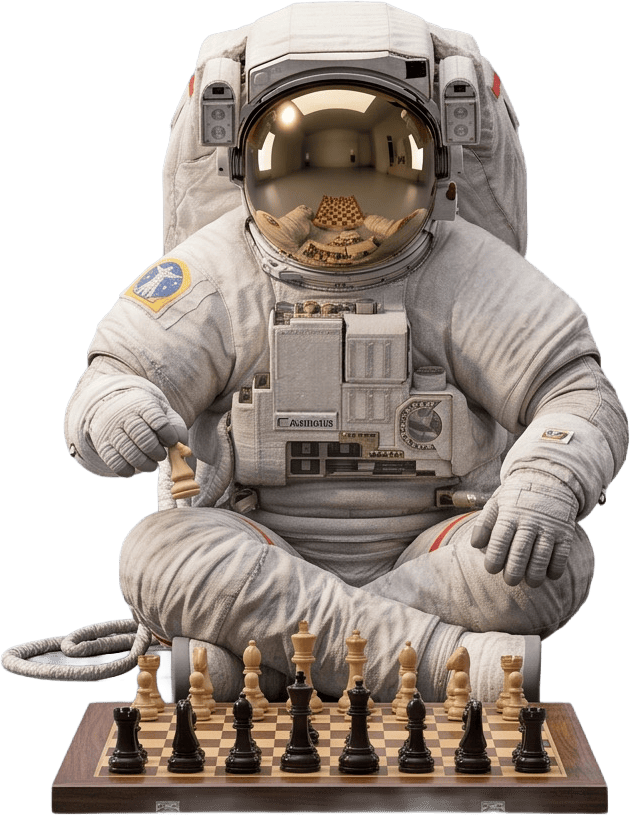



Strategy is what makes every channel work harder.

Most brands do not have a channel problem. They have a coordination problem. Paid search bids against organic listings the brand already owns. Social builds an audience the email programme never speaks to. Every channel reports its own version of success, and the real cost of acquiring a customer climbs quietly in the gaps between them.
A digital marketing strategy closes those gaps. It fixes one commercial objective, allocates budget to the channels with a demonstrable route to that objective, and defines how message, creative and measurement travel across the full customer journey. As an omni-channel digital marketing agency, we plan the campaign as a single system rather than a portfolio of tactics, so search, paid social, display, video, email and owned media compound one another instead of competing for the same conversion.
What We Do.
Strategy without execution is astronomy; interesting, but you're not going anywhere. Execution without strategy is a rocket without coordinates, spectacular for about 11 seconds.
Integrated omni-channel marketing strategy
One strategy governs every channel. Search, paid social, display, video, email and owned media are planned as a single system with shared objectives and a shared message, so each channel amplifies the others instead of competing for the same conversion.
Customer journey mapping across all digital touchpoints
We map every touchpoint a customer meets between first impression and repeat purchase, then find where attention leaks away. Each stage is given a message, an owner and a measurable action, so nothing is left to chance in the gap between awareness and conversion.
Channel prioritisation & media mix modelling
We model how each channel contributes to revenue, not only to the last click before checkout. Spend history, seasonality and external demand signals show where diminishing returns begin and where incremental investment still buys growth — producing an allocation you can defend in a boardroom.
Campaign architecture & content ecosystem planning
A campaign is a structure, not a calendar. We define the message hierarchy, the audience segments and the creative system that carries them, then map every asset to a stage of the funnel so prospecting, consideration and retention are briefed as one continuous narrative.
Growth marketing frameworks & performance targets
Strategy without a mechanism for compounding is only a plan. We set the targets that matter — customer acquisition cost, return on ad spend, contribution to revenue — and install the testing roadmap and measurement architecture that turn day-to-day performance into learning.
Quarterly strategy reviews & trajectory recalibration
Markets, competitors and platform algorithms do not stand still for twelve months. Each quarter we reforecast against actual performance, retire the tactics that have stopped earning their place, and redirect budget into the plays that are scaling.
How we build your digital marketing strategy.
Reach Out
Let's Chat.
"*" indicates required fields

Frequently Asked Questions.
What is a digital marketing strategy?
A digital marketing strategy is the commercial plan that governs every digital channel a brand uses. It sets the objective, allocates budget across channels, defines the messaging and creative system, and establishes how success will be measured — so that individual campaigns serve one outcome rather than several competing ones.
How is a strategy different from a campaign?
A campaign is a time-boxed execution with its own creative and budget. A strategy is the layer above it, deciding which campaigns run, in what order, in which channels and to which audiences. Without a strategy, campaigns tend to optimise themselves into silos.
How long does it take to develop a digital marketing strategy?
A full strategy engagement typically runs four to six weeks from discovery to roadmap, depending on the depth of historical data available and the number of markets or product lines involved.
How do you measure the return on strategy?
Against the commercial objective agreed at the outset — usually blended customer acquisition cost, return on ad spend and contribution to revenue — measured through a defined attribution model rather than platform-reported figures alone.